

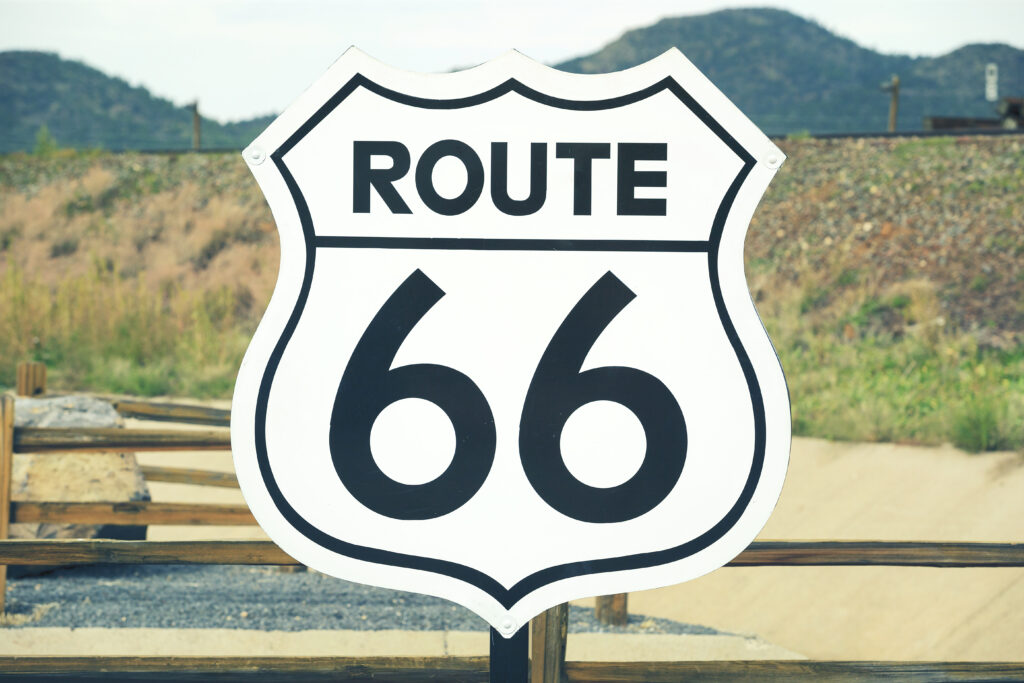
Long before highways stretched across the country and construction zones became a daily reality, people still needed direction. Roads were unmarked, travel was unpredictable, and safety depended largely on local knowledge. The road sign, now a familiar part of everyday travel, was born out of a simple need: to guide people safely from one place to another.
Over time, those early markers evolved into the standardized traffic signs we rely on today. Their history is closely tied to the growth of transportation, public safety, and the shared responsibility of protecting those who use the road.
Early Road Markers and the Need for Direction
The earliest road signs weren’t signs at all. Travelers once relied on natural landmarks, stone markers, or wooden posts carved with symbols or directions. In ancient civilizations, markers were placed along major trade routes to indicate distance or point travelers toward important cities.
As travel increased and communities expanded, these informal markers became less effective. Roads began to carry more traffic, and the risk of confusion—and accidents—grew. The need for clearer, more consistent guidance laid the groundwork for what would eventually become modern traffic signage.
The Rise of Standardized Signs
The invention of the automobile changed everything. As vehicles became faster and more common in the early 20th century, roads transformed from shared pathways into regulated transportation corridors. With speed came urgency, and with urgency came the need for signs that could be understood quickly and universally.
Early traffic signs varied widely by region, often using different shapes, colors, and symbols to convey similar messages. This lack of consistency created confusion for drivers traveling beyond their local areas. Over time, transportation authorities began working toward standardization, recognizing that clarity and uniformity were essential to safety.
Shapes, colors, and symbols were carefully chosen not just for appearance, but for how quickly the human eye could recognize them. These decisions formed the foundation of the traffic sign systems still in use today.
Color, Shape, and Meaning
One of the most significant developments in road signage was the use of color and shape to communicate meaning instantly. Drivers didn’t need to read every word to understand what a sign was telling them.
Red became associated with stopping and warning. Yellow signaled caution. White and black conveyed regulation and instruction. These choices were not accidental; they were based on visibility, contrast, and driver behavior.
Shapes followed a similar logic. Distinct silhouettes made it possible to recognize a sign even in poor lighting or harsh weather. This visual language allowed drivers to process information quickly, reducing reaction time and improving overall road safety.
Construction Zones and the Evolution of Safety Signage
As road networks expanded, construction became a constant presence. Unlike permanent signs, work zone signage needed to adapt to changing conditions while maintaining clarity and authority.
Construction signs introduced bold colors, temporary placements, and clear warnings designed to slow drivers and protect workers. These signs became critical tools in managing traffic flow and preventing accidents in areas where normal driving patterns were disrupted.
Over time, standards for work zone signage grew more detailed, reflecting the increasing complexity of roadway projects. Today, construction signage is a key part of any safety plan, serving as a direct line of communication between crews and drivers.
The Role of Standards in Modern Signage
With safety at stake, consistency became non-negotiable. Standards like the Manual on Uniform Traffic Control Devices (MUTCD) helped establish clear rules for how signs should look, where they should be placed, and how they should function.
These standards ensure that a driver in one state can understand signage in another without hesitation. For contractors and transportation agencies, following these guidelines is about more than compliance—it’s about trust, professionalism, and responsibility.
Modern road signs are the result of decades of refinement, research, and real-world experience. Every detail serves a purpose, from letter height to reflective materials.
How Road Signs Continue to Shape Safety Today
While technology continues to advance, the road sign remains one of the most effective safety tools available. Digital systems and traffic management software may support roadway operations, but physical signage still provides immediate, reliable guidance in real time.
In work zones especially, signs set expectations. They warn of upcoming changes, direct traffic through unfamiliar routes, and create a safer environment for both drivers and crews. When signage is clear and properly maintained, it reduces uncertainty and helps prevent dangerous situations before they occur.
Carrying the Legacy Forward
The history of the road sign is ultimately a story about people—those who travel our roads and those who work on them. Each evolution in design and standardization reflects a deeper commitment to safety and communication.
At Flasher Equipment, that legacy continues. Providing dependable, compliant traffic signage supports the same goal that early road markers once served: helping people navigate safely and confidently.
As roads continue to change, the purpose of the road sign remains the same. Clear direction saves time, prevents accidents, and protects lives.
Explore Flasher Equipment’s traffic signage solutions and see how modern signs continue to guide safer roads today.