

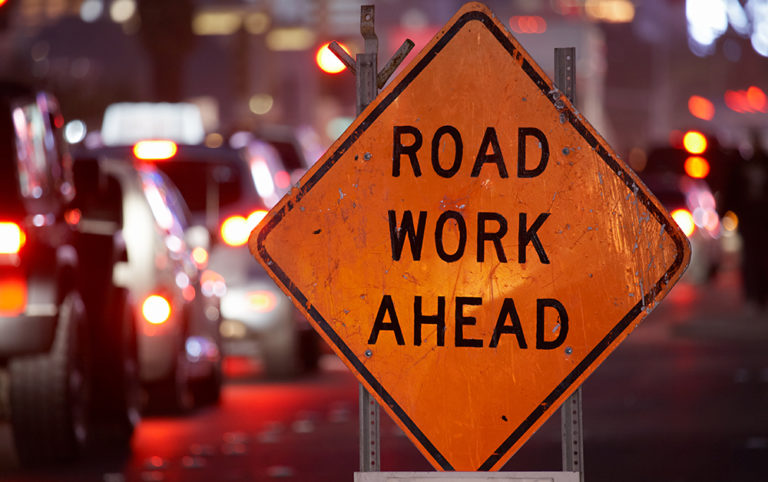
When a driver approaches a construction zone or detour, the signs they see are more than just pieces of reflective metal—they are instructions that can prevent accidents, reduce congestion, and protect lives. Route signage is the unsung hero of road safety, guiding drivers safely through changing traffic patterns while keeping crews protected on the job.
For contractors, municipalities, and transportation departments, understanding the purpose and best practices of route signage is critical. In 2026, with increased construction activity and complex projects, proper route guidance isn’t optional—it’s essential.
The Purpose of Route Signage
Route signage serves a simple but powerful function: it directs drivers along a planned path when standard routes are disrupted. Whether due to road construction, lane closures, or special events, these signs communicate clearly where drivers should go, what obstacles to expect, and how to navigate unfamiliar areas safely.
Without effective route signage, drivers may hesitate, brake suddenly, or make last-minute lane changes—all of which increase the risk of accidents. Clear, predictable signage reduces confusion, improves traffic flow, and allows drivers to anticipate what’s ahead.
How Route Signage Impacts Safety
Traffic safety isn’t just about preventing crashes—it’s about creating an environment where drivers can make informed decisions. Route signs accomplish this by giving drivers advance notice, so they know when to slow down, merge, or take a detour.
Properly designed route signage supports safety in multiple ways. Signs placed too close to the hazard give drivers little time to react. Signs that are too small or difficult to read in poor lighting conditions can be missed entirely. Every decision about placement, color, and visibility matters.
In 2026, high-visibility materials and reflective coatings are standard. Night work, inclement weather, and distracted driving make it even more important that route signage is noticeable and easy to follow. This investment directly translates to fewer accidents and smoother traffic movement through work zones.
Route Signage in Action
Consider a major highway undergoing maintenance. Lane closures and detours disrupt normal traffic patterns. Without clear signage, drivers may merge abruptly or miss exits entirely, leading to congestion or collisions.
When route signage is properly deployed, drivers can adjust their speed and position ahead of time. Detour routes are clearly indicated, and lane transitions are marked with precision. In effect, route signage doesn’t just show the way—it manages risk and reduces the likelihood of accidents.
For contractors and DOTs, this is where planning meets execution. Route signage must be coordinated with traffic control devices, pavement markings, and flaggers to provide a seamless, intuitive flow for drivers. When everything works together, the road becomes safer for everyone.
Planning and Compliance Are Key
Route signage isn’t a “one size fits all” solution. Factors like traffic volume, vehicle type, and environmental conditions influence the design and placement of signs. Regulatory standards, such as those outlined in the Manual on Uniform Traffic Control Devices (MUTCD), provide essential guidance for compliance.
Following these standards ensures consistency across projects. Drivers encountering similar signs in different areas are able to interpret them quickly, reducing confusion and improving safety. For contractors, compliance also protects against liability and demonstrates professionalism on every job site.
The Role of Technology
Modern route signage is increasingly supported by technology. Portable message boards, flashing indicators, and temporary digital signs enhance traditional signs by providing real-time information to drivers. These tools are especially valuable in dynamic work zones where conditions change frequently.
While technology adds a layer of flexibility, physical route signage remains indispensable. Drivers need clear, visible markers that are reliable and consistent, regardless of weather, light, or device compatibility.
Why Investing in Proper Route Signage Matters
The cost of high-quality route signage is small compared to the potential consequences of miscommunication. Accidents, traffic delays, and regulatory fines can all result from poorly marked routes. Proper signage protects lives, safeguards crews, and ensures projects run smoothly and efficiently.
Contractors and municipalities that prioritize route signage show a commitment to safety and professionalism. Clear, effective signage is not just a regulatory requirement—it is a reflection of a company’s values and care for the community.
Guiding Drivers Safely Forward
In 2026, as construction projects grow more complex and work zones more frequent, route signage will continue to play a vital role in road safety. Each sign placed along a detour or lane shift is more than a marker; it is a signal of safety, order, and responsibility.
At Flasher Equipment, we provide traffic control and route signage solutions that meet modern standards, withstand challenging conditions, and keep drivers and crews safe. Whether you’re managing a small city project or a multi-lane highway closure, the right signage ensures traffic moves efficiently and safely.
Explore Flasher Equipment’s route signage solutions today and make every work zone a safer journey for drivers and crews alike.