

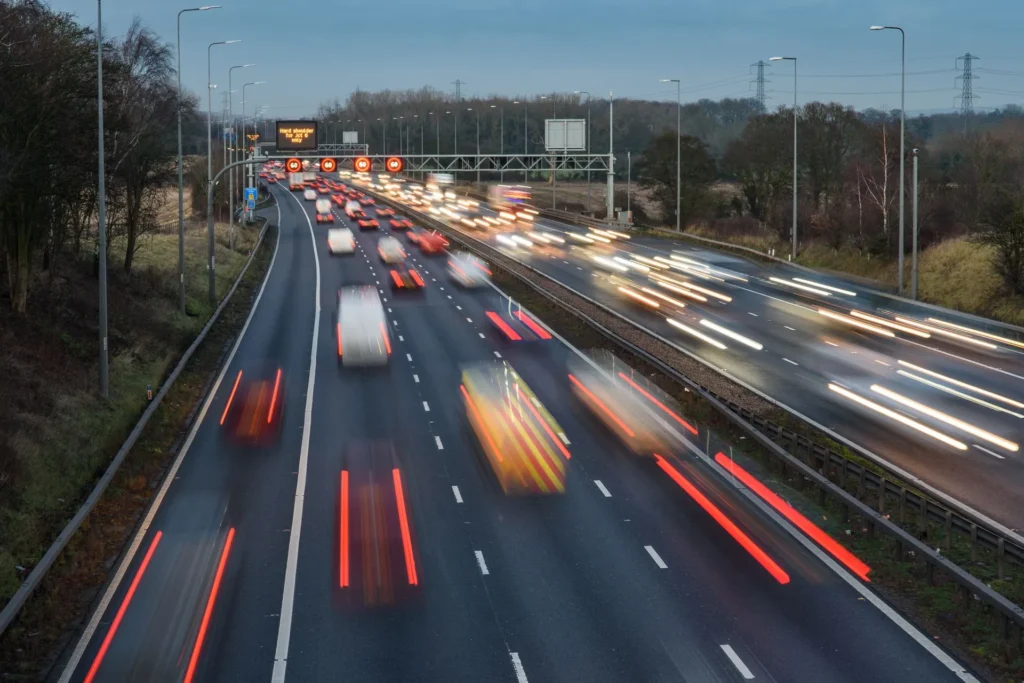
As we move into 2026, roadway safety continues to demand more attention, planning, and accountability than ever before. With increased traffic volumes, ongoing infrastructure projects, and heightened safety expectations, contractors and transportation agencies are being challenged to do more—while protecting crews and drivers alike.
For those working in construction, traffic control, and public works, the start of a new year is the right time to evaluate what’s changing and how to stay prepared. From evolving standards to growing expectations around visibility and compliance, 2026 is shaping up to be a year where proactive planning matters.
Below, we break down key road safety considerations for 2026 and how the right signage and traffic control solutions can make a measurable difference.
Why Road Safety Is a Bigger Priority in 2026
Roadway safety has always been important, but the conversation has shifted. In recent years, work zone incidents have remained a concern nationwide, pushing safety standards, public awareness, and enforcement into sharper focus.
In 2026, contractors and DOTs are facing:
- Increased scrutiny on work zone safety practices
- Higher expectations for compliance with MUTCD guidelines
- A growing emphasis on visibility for both daytime and nighttime operations
Safety is no longer just about meeting minimum requirements—it’s about creating clear, consistent communication for drivers navigating complex work zones.
Clear Signage Remains the Foundation of Work Zone Safety
No matter how advanced traffic management becomes, signage remains one of the most effective tools for keeping roads safe. Drivers rely on signs to make quick decisions, especially in construction zones where conditions can change rapidly.
In 2026, effective signage must do more than exist—it must be:
- Easy to read at a distance
- Highly visible in low-light and poor weather conditions
- Properly placed to guide drivers well before decision points
Inconsistent or poorly planned signage can lead to confusion, sudden braking, and unsafe lane changes. Clear route, warning, and regulatory signs help reduce those risks while maintaining steady traffic flow.
Route Signage and Driver Guidance Are More Critical Than Ever
As infrastructure projects continue nationwide, detours and lane shifts are becoming more common. This puts greater pressure on route signage to clearly guide drivers through unfamiliar patterns.
For contractors and agencies in 2026, effective route signage should:
- Provide advance notice of upcoming changes
- Clearly mark detours and alternate routes
- Maintain consistency from start to finish
When drivers know what to expect, they are more likely to slow down, stay alert, and move safely through work zones. Proper route signage protects not only motorists but also the crews working just feet away from live traffic.
Visibility Is a Key Safety Expectation for 2026
One of the most important trends carrying into 2026 is the emphasis on visibility. With more work occurring during overnight hours and in high-traffic corridors, signage must perform in all conditions.
High-visibility traffic signage helps by:
- Improving driver reaction time
- Reducing missed warnings or sudden stops
- Supporting safer navigation during night work and inclement weather
Reflective materials, bold colors, and proper sign sizing are no longer optional considerations. They are essential components of a modern road safety plan.
Compliance Continues to Drive Safety Decisions
Regulatory compliance remains a top concern for contractors and DOTs, especially as enforcement and liability awareness increase. MUTCD standards continue to guide how signage should be designed, placed, and maintained.
In 2026, staying compliant means:
- Using approved signage that meets current standards
- Ensuring proper placement and spacing
- Replacing damaged or outdated signs promptly
Compliance isn’t just about avoiding penalties—it’s about demonstrating a commitment to safety and professionalism on every project.
Planning Ahead Sets Successful Projects Apart
One of the biggest lessons moving into 2026 is the value of preparation. Safety planning should begin long before equipment arrives on-site.
Strong safety planning includes:
- Evaluating traffic patterns before installation
- Selecting signage suited to the project environment
- Coordinating signage with traffic control and pavement markings
When signage is treated as a strategic part of the project—not an afterthought—work zones become safer and more efficient for everyone involved.
How the Right Equipment Supports Safer Roads in 2026
Quality signage and traffic control equipment play a direct role in protecting lives. Durable materials, clear messaging, and dependable performance help ensure signs remain effective throughout the duration of a project.
At Flasher Equipment, safety, professionalism, and reliability guide every solution offered. From route and warning signage to work zone traffic control products, the goal remains the same: guiding people toward safer roadways and better outcomes.
Prepare for 2026 With Confidence
The year ahead brings opportunity—along with responsibility. Contractors and DOTs that invest in proper planning, clear signage, and compliant safety solutions position themselves for smoother projects and safer work zones.
Whether preparing for a new project or updating existing equipment, now is the time to evaluate your road safety strategy for 2026.
Explore Flasher Equipment’s traffic signage and safety solutions to help protect crews, guide drivers, and support safer roads all year long.